Tips for Driving in School Zones and Residential Areas

TL;DR:
Always reduce speed in school zones and residential streets.
Watch for pedestrians, cyclists, and crossing guards.
Stay distraction-free while driving near schools.
Learn school bus stop laws and local safety guidelines.
Build smart driving habits with Get Drivers Ed.
Driving through school zones and residential areas requires a different mindset—one focused on vigilance, patience, and safety. Unlike highways, these areas are full of kids, pedestrians, cyclists, and unexpected activity.
Whether you're a new driver or refreshing your skills, mastering the art of careful driving in these areas protects everyone. For deeper learning on safe community driving, Get Drivers Ed offers the training you need to stay smart behind the wheel.
1. Always Reduce Your Speed in School Zones

Know the Speed Limits
School zones typically lower speed limits to 15-25 mph during active hours.
Important Notes:
Pay attention to flashing school zone signs.
Even outside official hours, always slow down if you see children nearby.
According to the National Highway Traffic Safety Administration (NHTSA), speeding in school zones puts children at higher risk.
You can find more guidance on this topic in our blog on Driving Safely in School.
2. Watch for Crossing Guards and Crosswalks
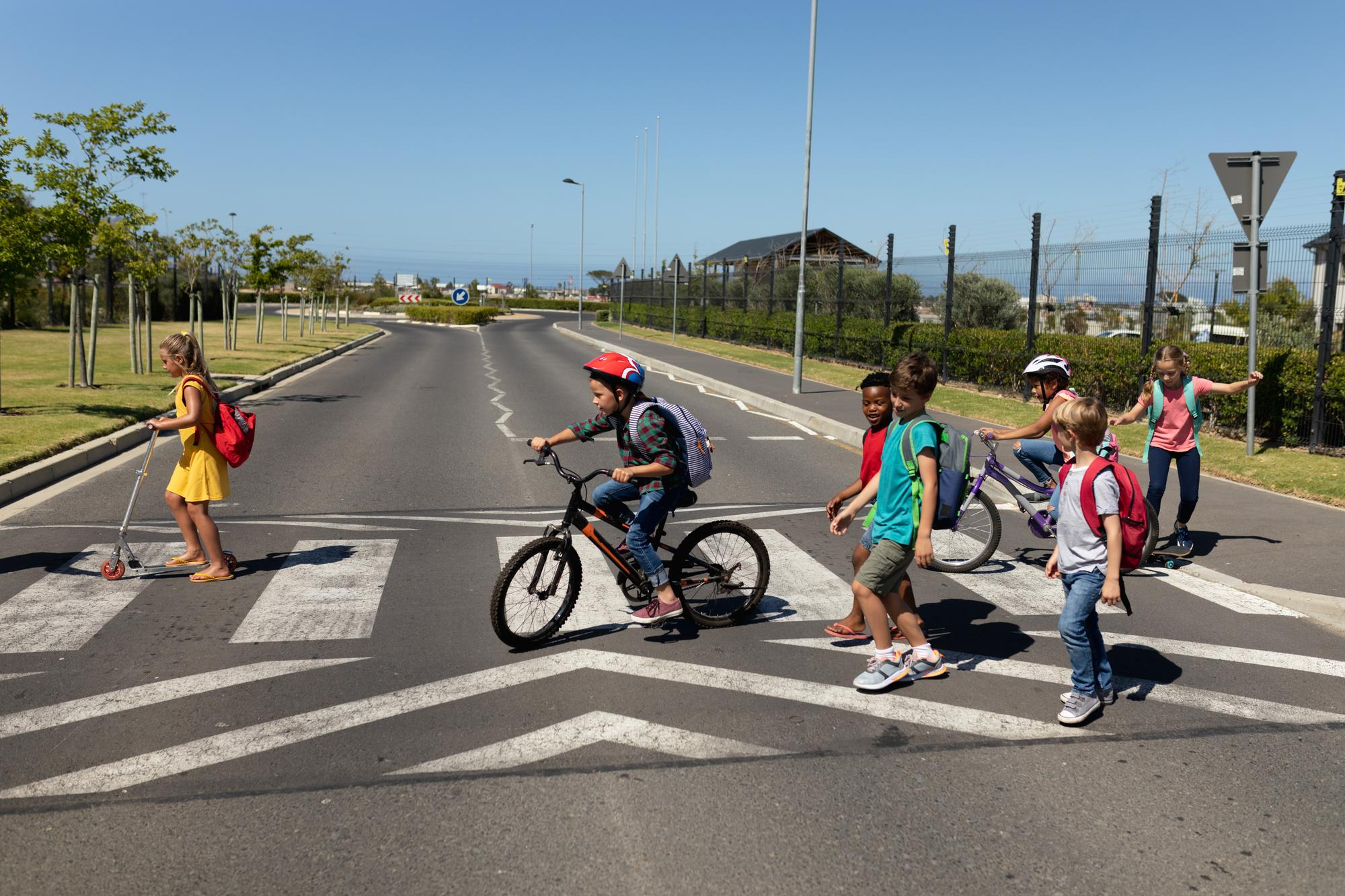
Yield to Pedestrians Every Time
Children sometimes cross mid-block or forget to look both ways.
What You Should Do:
Obey crossing guards immediately.
Always stop for pedestrians at crosswalks.
Explore our full tips for safe community driving in Safe Driving in School Zones.
The Safe Kids Worldwide organization provides additional safety resources to help drivers stay alert around young pedestrians.
3. Eliminate Distractions Near Schools and Homes
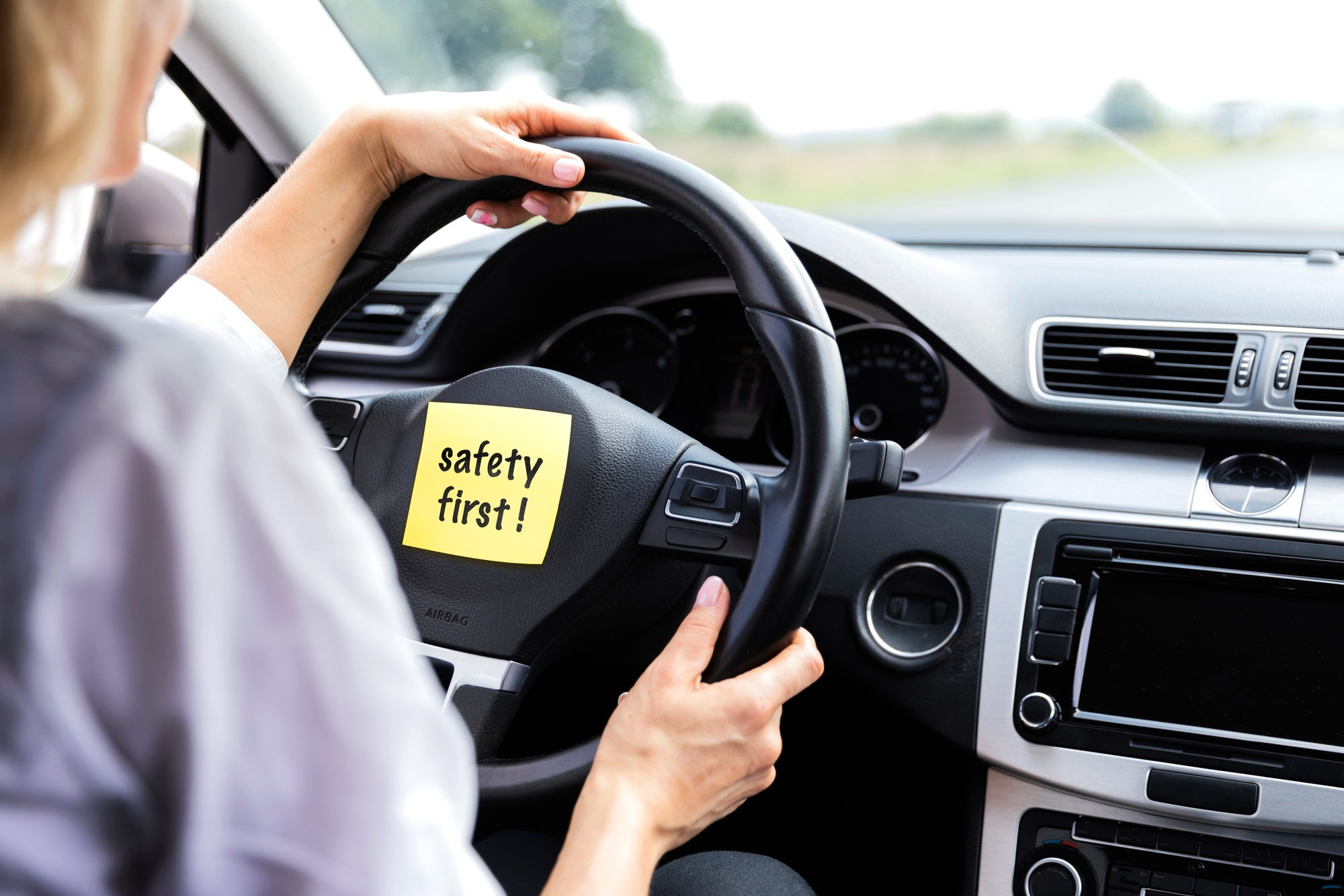
Stay 100% Focused
Phone calls, text messages, and even fiddling with your GPS can wait.
Best Practices:
Activate “Do Not Disturb” mode while driving.
Keep conversations to a minimum.
Focus solely on the road.
As reported by the Centers for Disease Control and Prevention (CDC), distracted drivers are three times more likely to crash.
Master techniques for defensive awareness with our Defensive Driving Course designed for real-world hazard handling.
4. Respect School Buses and Loading Zones

Follow the Rules on Stopping for Buses
When a school bus stops, lives are at stake.
Must-Know Rules:
Stop when the stop arm is extended.
Remain stopped until the arm is retracted—even if you’re in the opposite lane unless divided by a median.
Learn more about national school bus stop laws through the National Association of State Directors of Pupil Transportation Services (NASDPTS) annual survey.
Get more clarity on how these rules apply in different areas in our blog on Driving Safely in School Zones.
5. Be Extra Alert During Pick-Up and Drop-Off
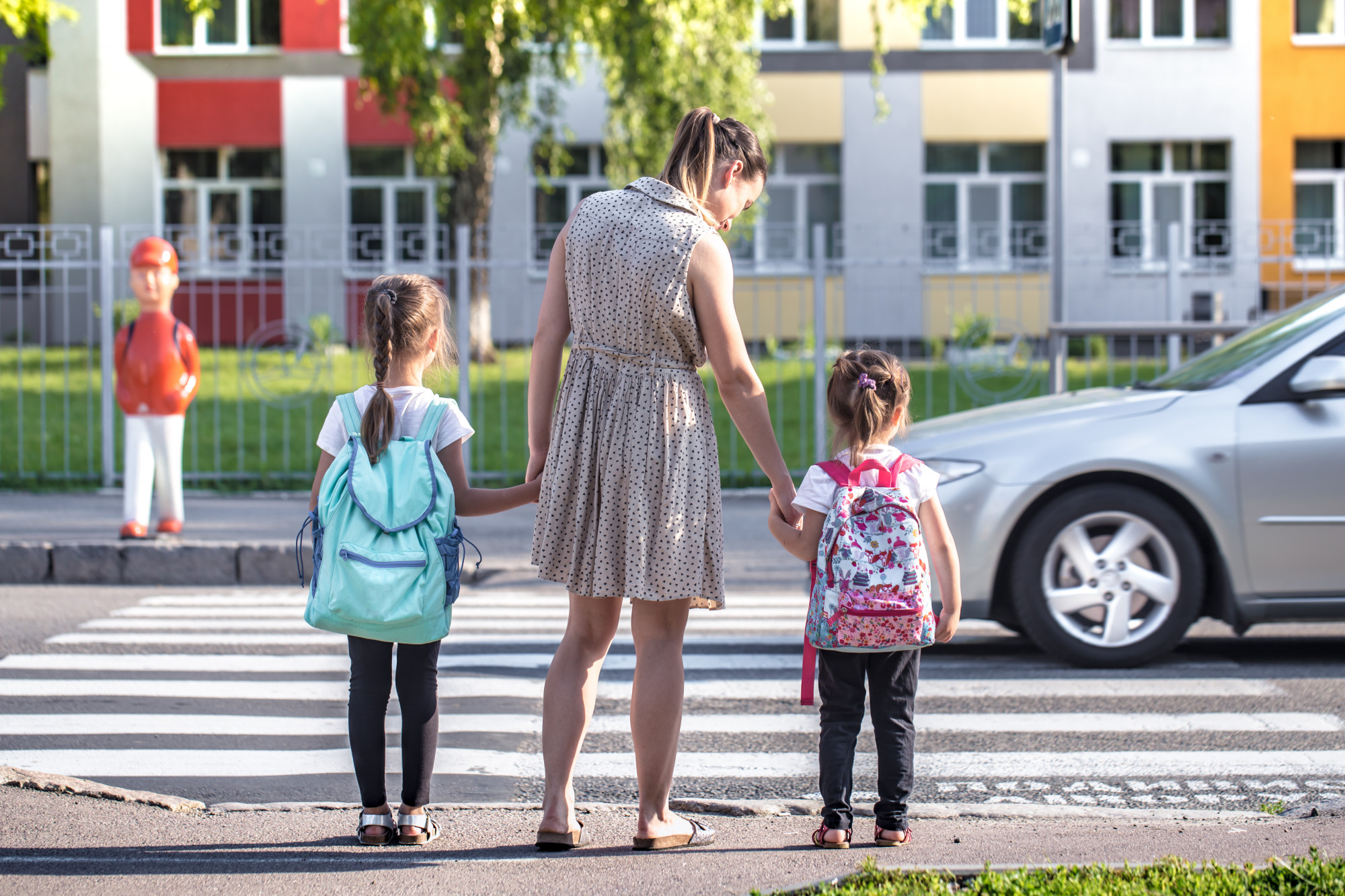
Crowds Mean You Must Slow Down
Before and after school hours are the busiest—and riskiest.
What to Remember:
Allow extra travel time.
Expect kids crossing unpredictably between cars.
Practice extra caution around crosswalks and intersections.
The Mandelbaum Barrett Site offers key tips for navigating school traffic safely.
Want to drive with total confidence in school zones and residential areas? Sign up for Get Drivers Ed today and level up your safety skills.
Conclusion: Drive Like a Protector
Driving safely around schools and neighborhoods isn’t just polite—it’s crucial for the safety of children, pedestrians, and other drivers. By slowing down, staying focused, and respecting school bus laws, you help build a safer community.
At Get Drivers Ed, we train drivers to anticipate and manage these real-world scenarios—not just for passing a test, but for everyday life.
Our online drivers ed course gives you the tools to handle school zones, residential areas, and beyond with calm and skill.
Ready to make a difference behind the wheel?
Enroll with Get Drivers Ed today and drive safer for your community!
Comments
Share your thoughts by leaving a comment below.